
Henry G. Madison Cabin
Austin, Texas
2025 HISTORIC PRESERVATION AWARD
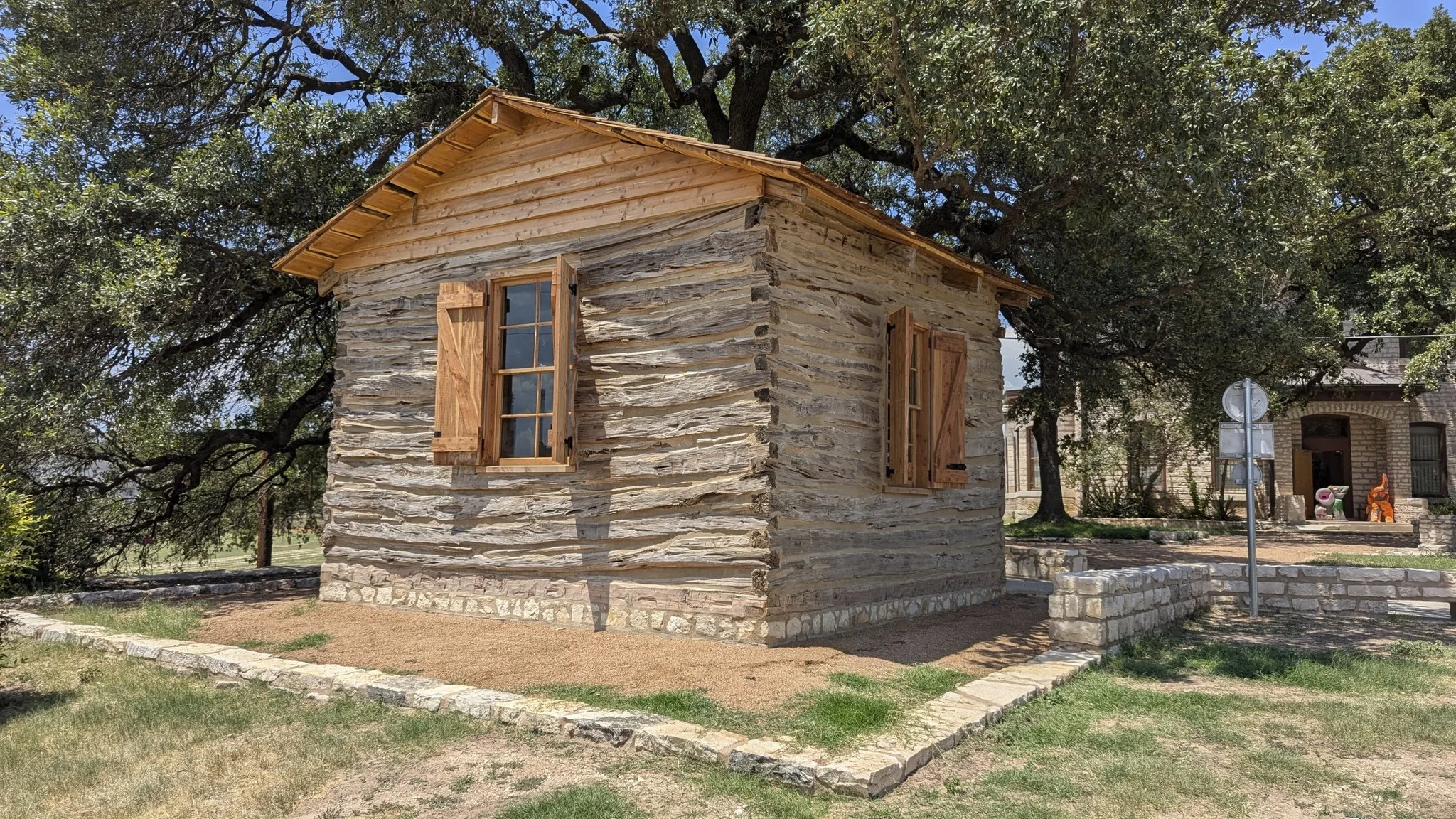
Built around 1863, this modest log house was constructed by Henry Green Madison, Austin’s first Black city council member. Born enslaved in Memphis in 1843, Henry Madison came to Austin in the 1860s, where he married Louisa Green and built a log home for their growing family at 807 East 11th Street. Madison went on to become a pillar of the community—a Unionist, president of the Austin chapter of the Union League, a delegate assistant at the Texas Constitutional Convention of 1868–69, and a captain in the Sixth Regiment of the Texas State Guard. His life embodied perseverance, leadership, and civic duty, and his home remains a tangible connection to that legacy.

Henry Madison and Louisa Green
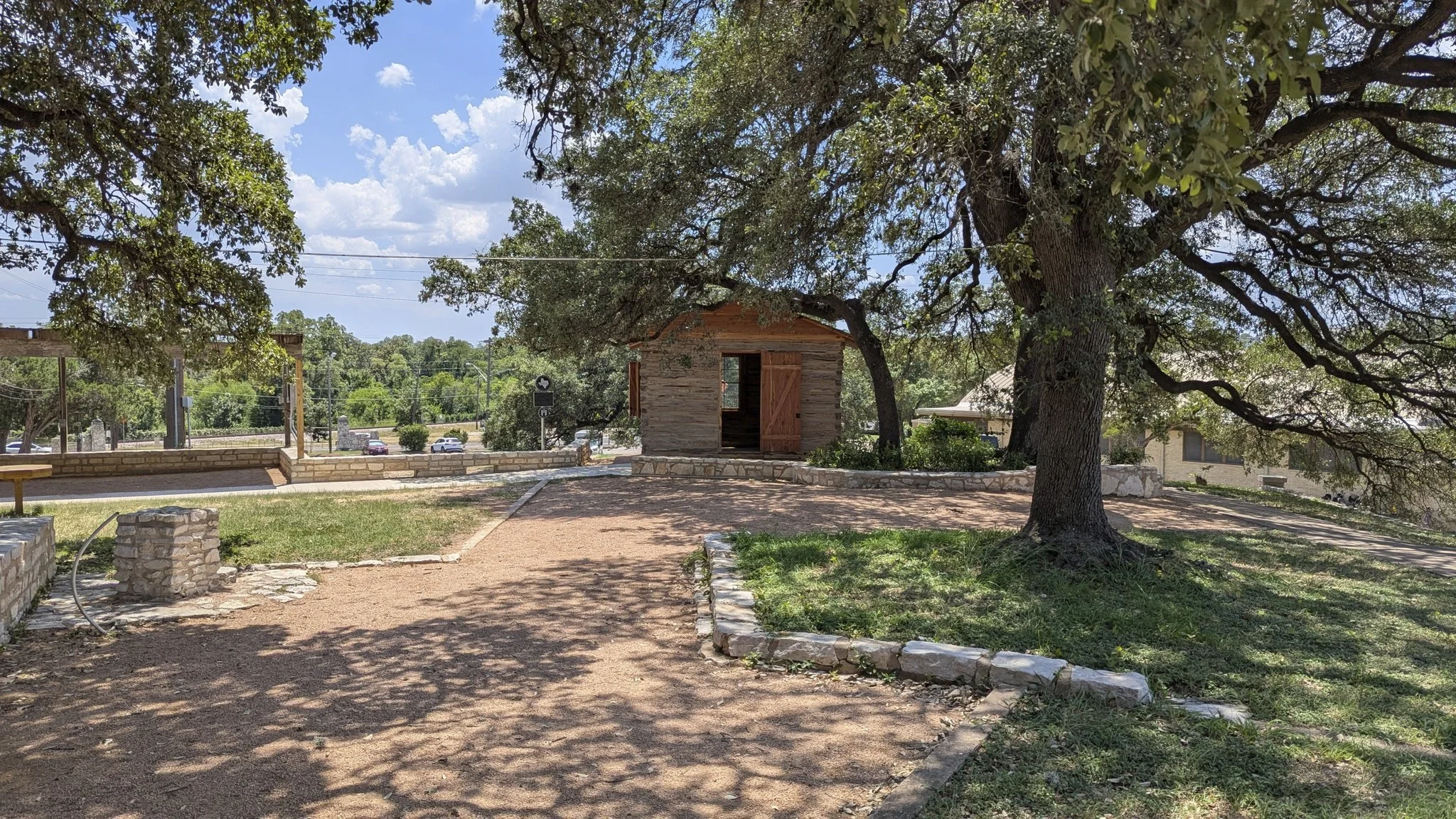
In the late 1800s, Madison enclosed the original log structure within a larger frame house, which stood quietly for nearly a century—until 1968, when a demolition crew uncovered the original hand-hewn log cabin hidden inside. Recognizing its historic importance, the cabin was carefully disassembled and relocated to Rosewood Neighborhood Park in 1973. The historic significance of the property was formally recognized when it was designated as a Recorded Texas Historic Landmark in 1974, and as a City of Austin Landmark in 1976.
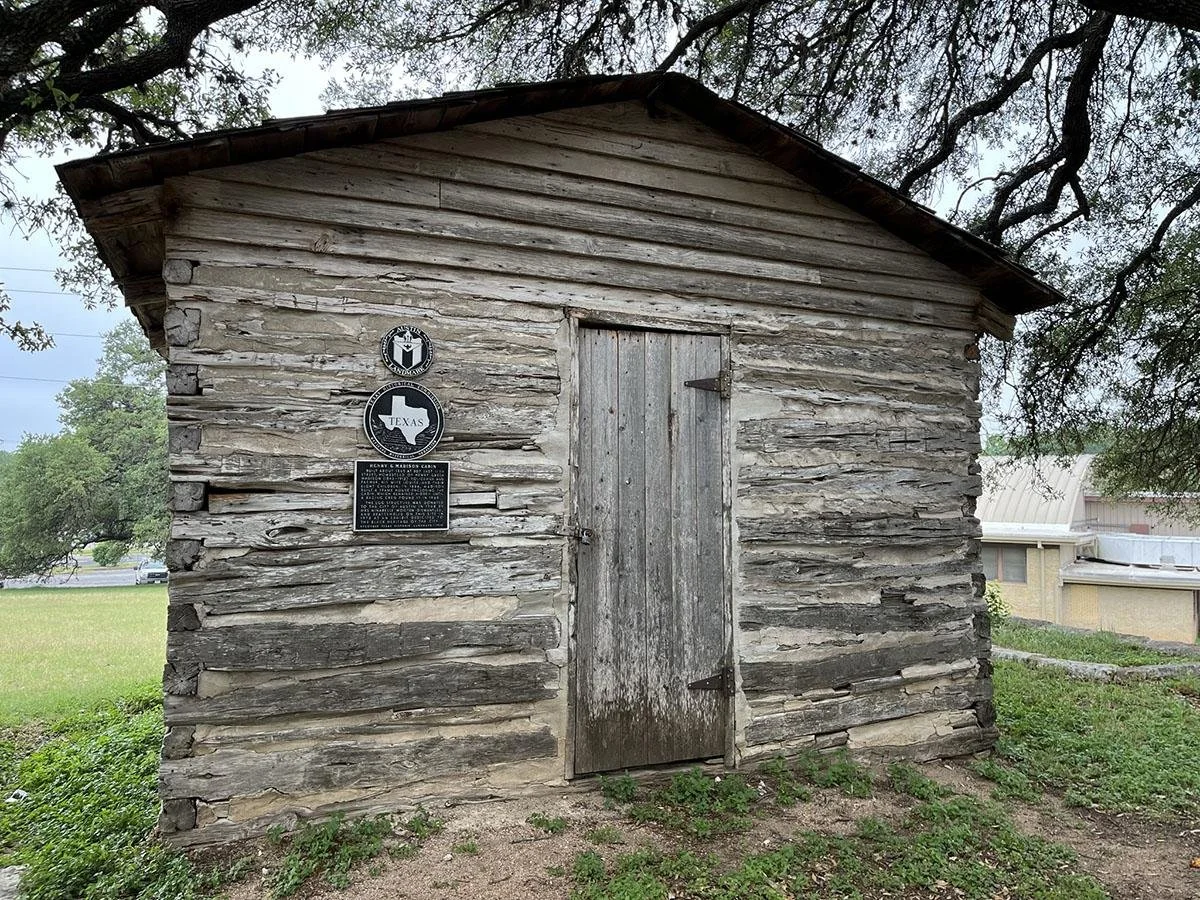
By 2021, exposure and deferred maintenance threatened the structural integrity of the cabin. The logs had suffered deterioration from moisture, insects, and sunlight. That’s when the Austin Parks Foundation, in partnership with the City of Austin Parks and Recreation Department, stepped forward to lead a comprehensive restoration—guided by Carter Design Associates and executed by Phoenix 1 Restoration & Construction.
Following the Secretary of the Interior’s Standards for the Treatment of Historic Properties, the project addressed every element of the structure: restoration of windows and doors, repairs to log walls and chinking, roof replacement, lighting and landscape improvements, and the addition of accessible pathways and site upgrades to meet today’s accessibility Standards.
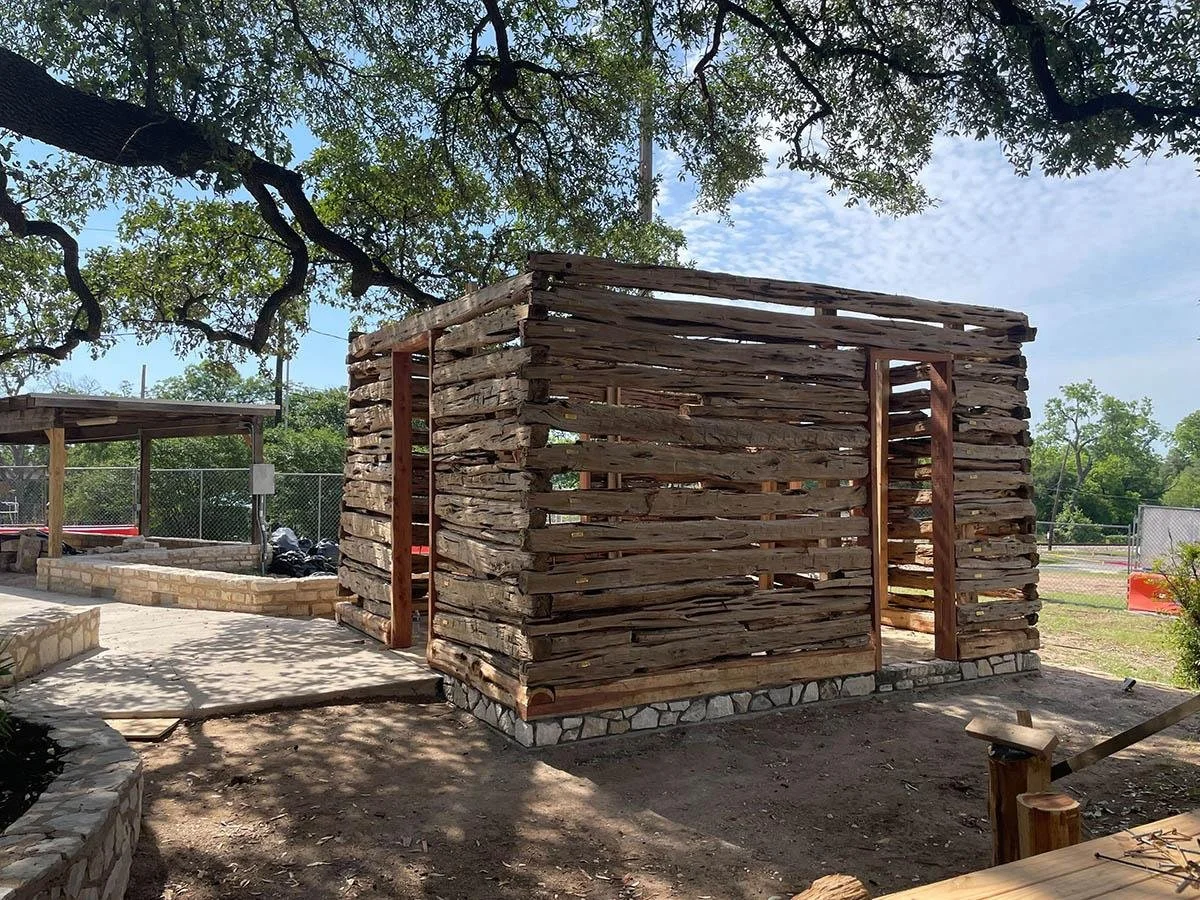
What makes this project special is the craftsmanship that went into honoring its original construction methods. Each historic log was numbered, repaired, or replaced as needed before being reassembled on a new foundation. New logs were hand-milled on-site using replica hand-tools from the 1860s, and the chinking mix was carefully selected to match the original.
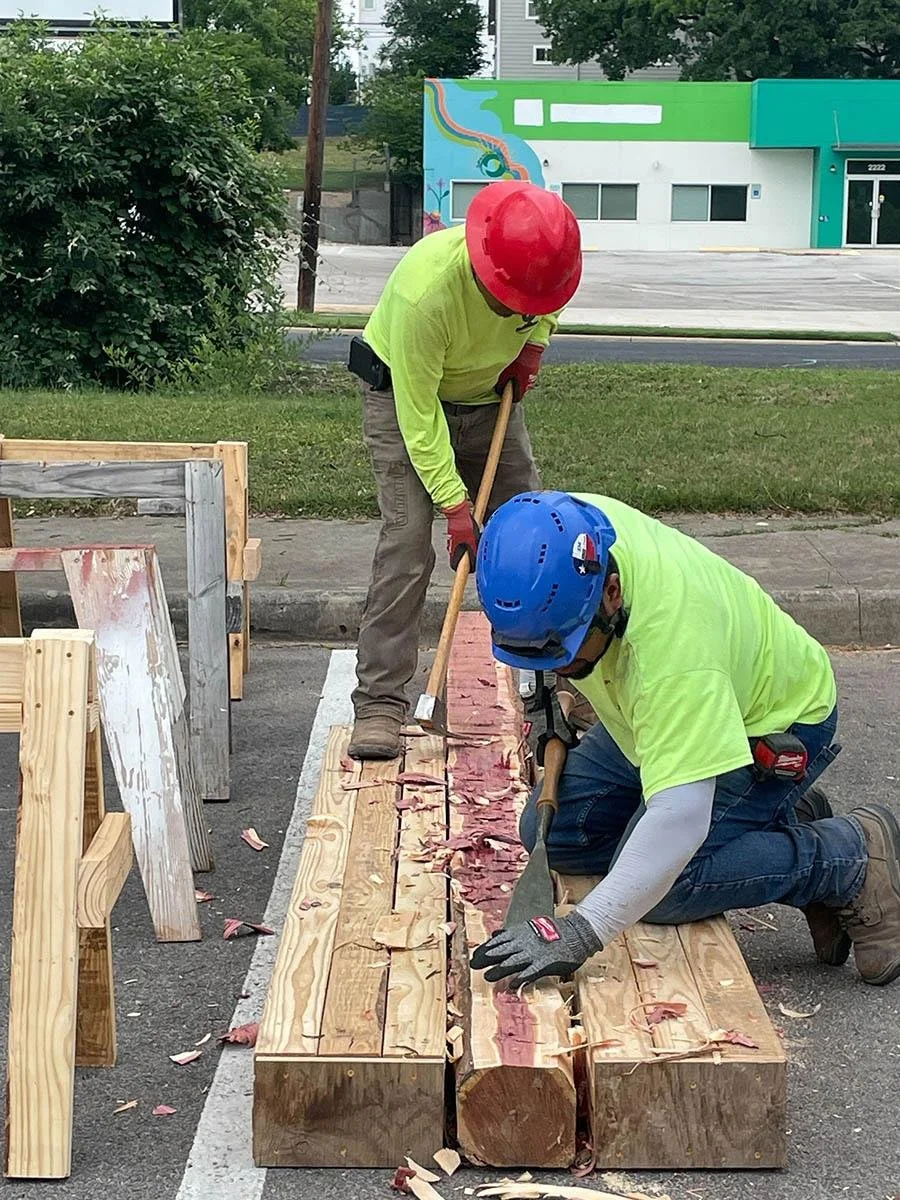
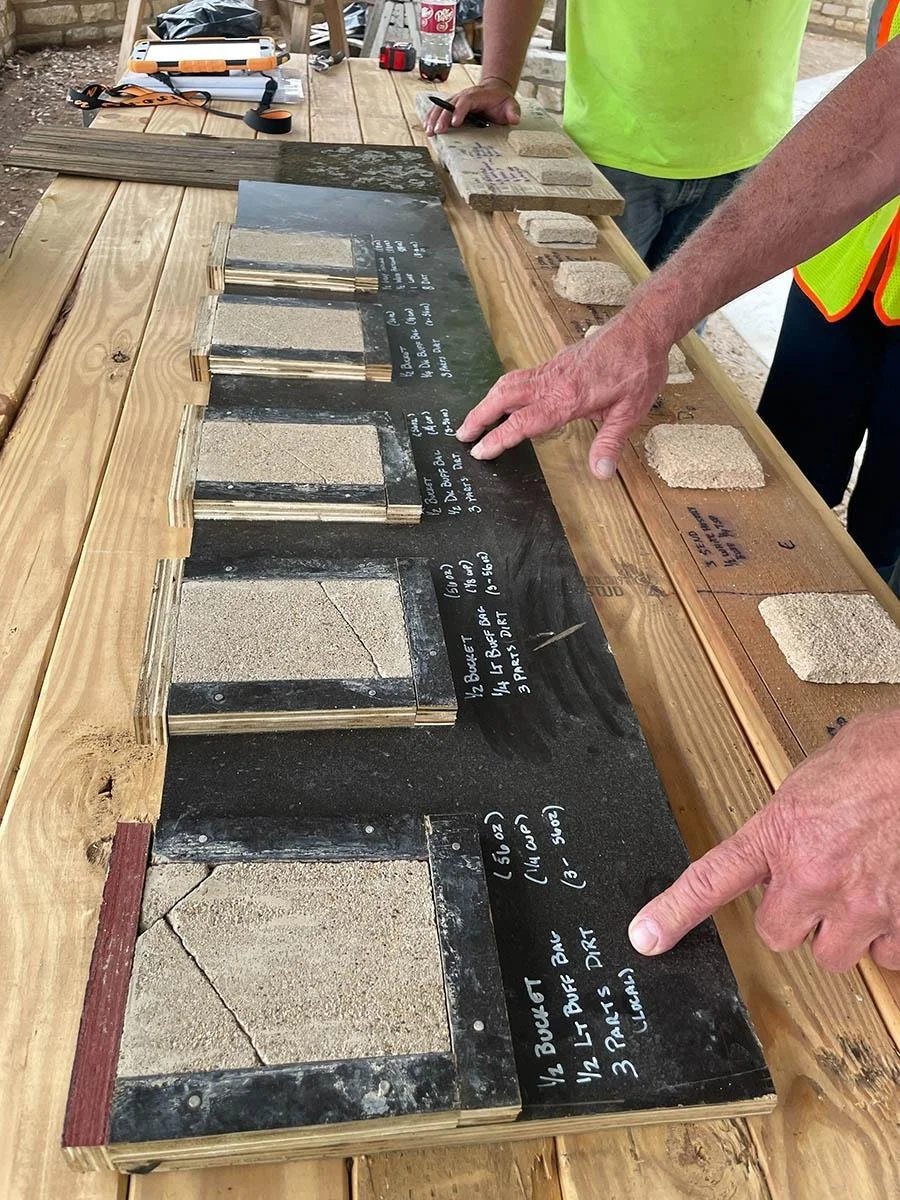
Funding for this restoration came through a combination of community and state support, including grants from Preservation Austin, the THC’s Texas Preservation Trust Fund, the City of Austin’s Heritage Preservation Grant, and funding from the Austin Parks Foundation.
The result is a revitalized cultural landmark that stands once again in Rosewood Park, where it hosts civic events like the annual Juneteenth celebration and serves as a museum dedicated to Austin’s Black heritage. Through this meticulous restoration, the project has ensured that Henry G. Madison’s cabin and his legacy endure for generations to come.
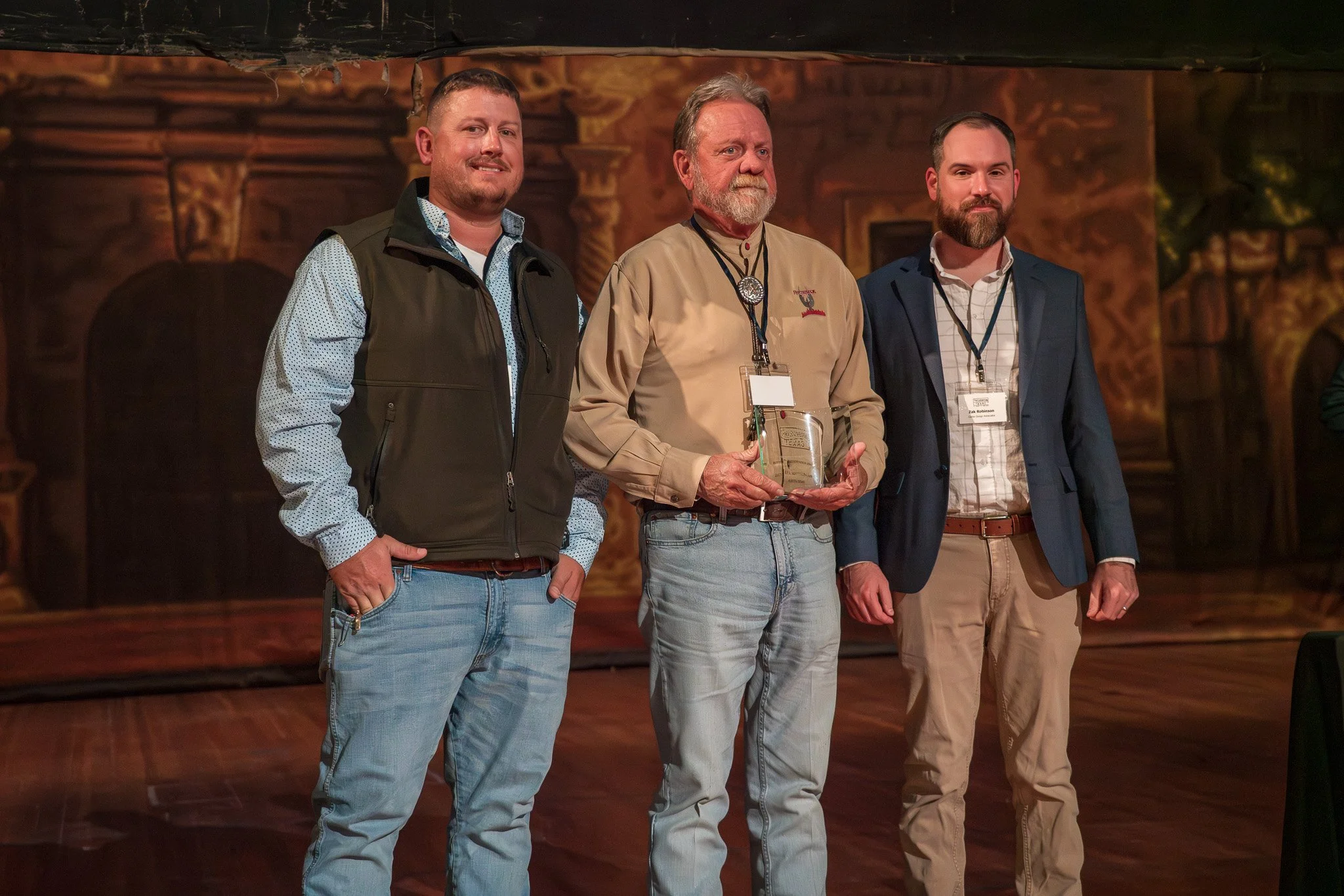
The award was presented at Preservation Texas’s 2025 Honor Award Ceremony in San Antonio on October 30, 2025.
Owner: Austin Parks Foundation
Owner’s Project Managers: Ellen Colfax, City of Austin; Katie Robillard, Austin Parks Foundation
Architect: Donna Carter, FAIA, Carter Design Associates
Architect’s Project Manager: Zak Robinson, Carter Design Associates
Engineers: Terry Ortiz, Loc Consultants Structural Division (Structural); Michael Mullone, Dunaway (Civil)
Contractor: Phoenix I Restoration and Construction
Contractor’s Project Managers: Dale Sellers, Phoenix 1
